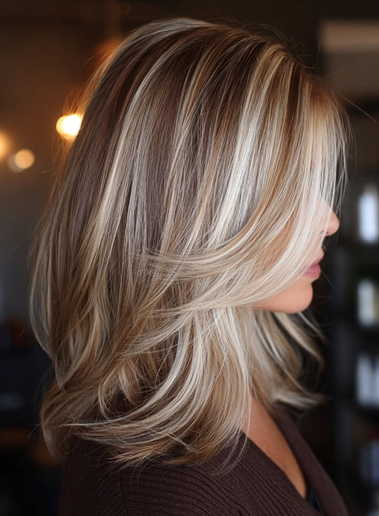
Hair color has the power to completely transform your look. Whether you want something soft and natural or bold and eye-catching, understanding the different hair coloring techniques can make all the difference in choosing the right service for you. At Charles Ifergan, our color specialists believe that education is key to loving your hair long after you leave the salon. This guide breaks down the most popular hair coloring techniques and helps you determine which option best fits your lifestyle, hair goals, and maintenance preferences.
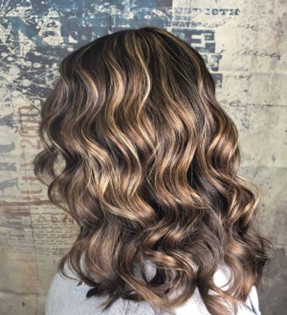
Highlights are one of the most classic and widely requested hair coloring techniques. This service involves lightening selected strands of hair from root to ends using foils. The placement can be customized to frame the face, add dimension, or create an all-over lighter appearance.
Highlights are ideal if you want noticeable brightness and contrast throughout your hair. They work well on all hair lengths and textures, and can be subtle or dramatic depending on how many foils are placed and how light the hair is lifted.
This technique is a great choice for clients who like a more polished look and do not mind regular maintenance. Because highlights often start close to the scalp, they typically require touch-ups every six to eight weeks to keep regrowth looking seamless.
Lowlights are essentially the opposite of highlights. Instead of lightening sections of hair, darker tones are added to create depth and richness. Lowlights are often paired with highlights to add balance and dimension, especially for hair that has become too light or flat over time.
This technique is perfect for clients who want a more natural blended look or who are transitioning from lighter hair back to a deeper shade. Lowlights also help extend the life of highlights by softening contrast and reducing the appearance of regrowth.
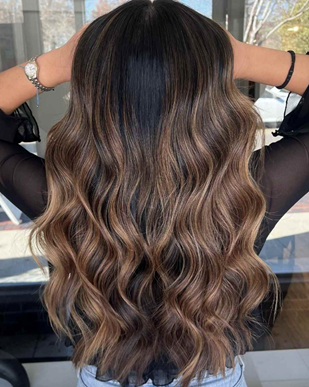
Balayage has become one of the most popular hair coloring services for good reason. This technique involves hand-painting color onto the hair, creating a soft sun-kissed effect with seamless blending. Unlike traditional highlights, balayage does not rely heavily on foils, and the color is concentrated through the mid-lengths and ends.
Balayage is ideal for clients who want a low-maintenance color with a natural grow-out. Because the color is not applied directly at the root, it grows out softly without harsh lines. This makes it perfect for busy lifestyles or anyone who prefers fewer salon visits.
This technique works beautifully on wavy and curly hair, but can be customized for straight styles as well. It is also a great option if you want dimension without committing to a full head of highlights.
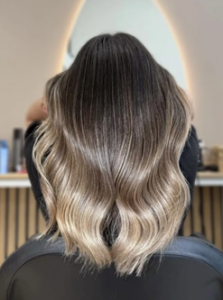
Ombre is a bold gradient effect where the hair transitions from darker roots to lighter ends. The contrast between shades is more noticeable and intentional compared to balayage. Sombre, which stands for soft ombre, is a more subtle version with a gentler transition between colors.
Ombre styles are great for clients who love a statement look and want lighter ends without frequent root touch-ups. Since the darker shade stays at the top, maintenance is relatively low compared to traditional highlights.
This technique works best on medium to long hair, where the color transition has enough length to blend smoothly.
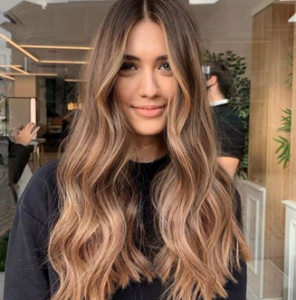
Color melting is a technique that blends multiple shades together seamlessly from root to ends. The goal is to create a fluid transition between colors with no visible lines. This method is often used when combining highlights, lowlights, and base colors.
Color melting is perfect for clients who want a multidimensional, custom look that feels cohesive and polished. It is especially effective for correcting previous color work or for clients wanting a rich, layered color result.
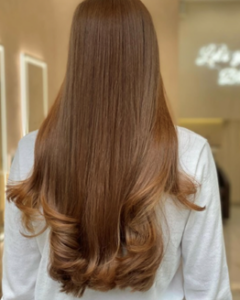
A single process color involves applying one shade all over the hair. This can be used to cover gray, enhance natural color, or completely change your shade.
This option is best for clients who want uniform color from roots to ends. While it does not provide dimension on its own, it can be combined with highlights or balayage for added depth.
Maintenance depends on the shade chosen, especially for reds and darker tones, which may require more frequent refreshing.
Choosing the right hair coloring technique depends on several personal factors. Start by considering your lifestyle and how often you want to visit the salon. If you prefer low-maintenance options, balayage sombre or ombre may be the best fit. If you enjoy a fresh, polished look and do not mind regular upkeep, traditional highlights, or single-process color may suit you better.
Your natural hair color, texture, and length also play a role. Curly and wavy hair often showcases balayage beautifully, while finer hair may benefit from the dimension created by highlights and lowlights.
It is also important to think about your long-term goals. Are you experimenting or looking for a signature look you can maintain over time? A professional consultation at Charles Ifergan Salons allows our color experts to assess your hair condition, discuss your goals, and recommend a customized approach that protects the integrity of your hair.
Hair color is not one size fits all. Our team is trained in advanced coloring techniques and takes a personalized approach to every service. We prioritize hair health, precision, and artistry to ensure results that look beautiful and feel wearable.
Whether you are exploring highlights for the first time or ready for a complete color transformation, understanding your options is the first step. With expert guidance and thoughtful technique selection, you can achieve a color that complements your style, enhances your features, and fits your life effortlessly. To schedule an appointment with us, you can book online or download our free mobile app from iTunes or Google Play to browse our services, schedule appointments, and more. Come by one of our three convenient locations in Chicago Oak Street, Deerfield, and Oakbrook.